
The Barcelona Institute for Global Health
The Barcelona Institute for Global Health, ISGlobal, is the fruit of an innovative alliance between the “la Caixa” Foundation, academic institutions and government bodies to contribute to the efforts undertaken by the international community to address the challenges in global health.
Alberto García-Basteiro
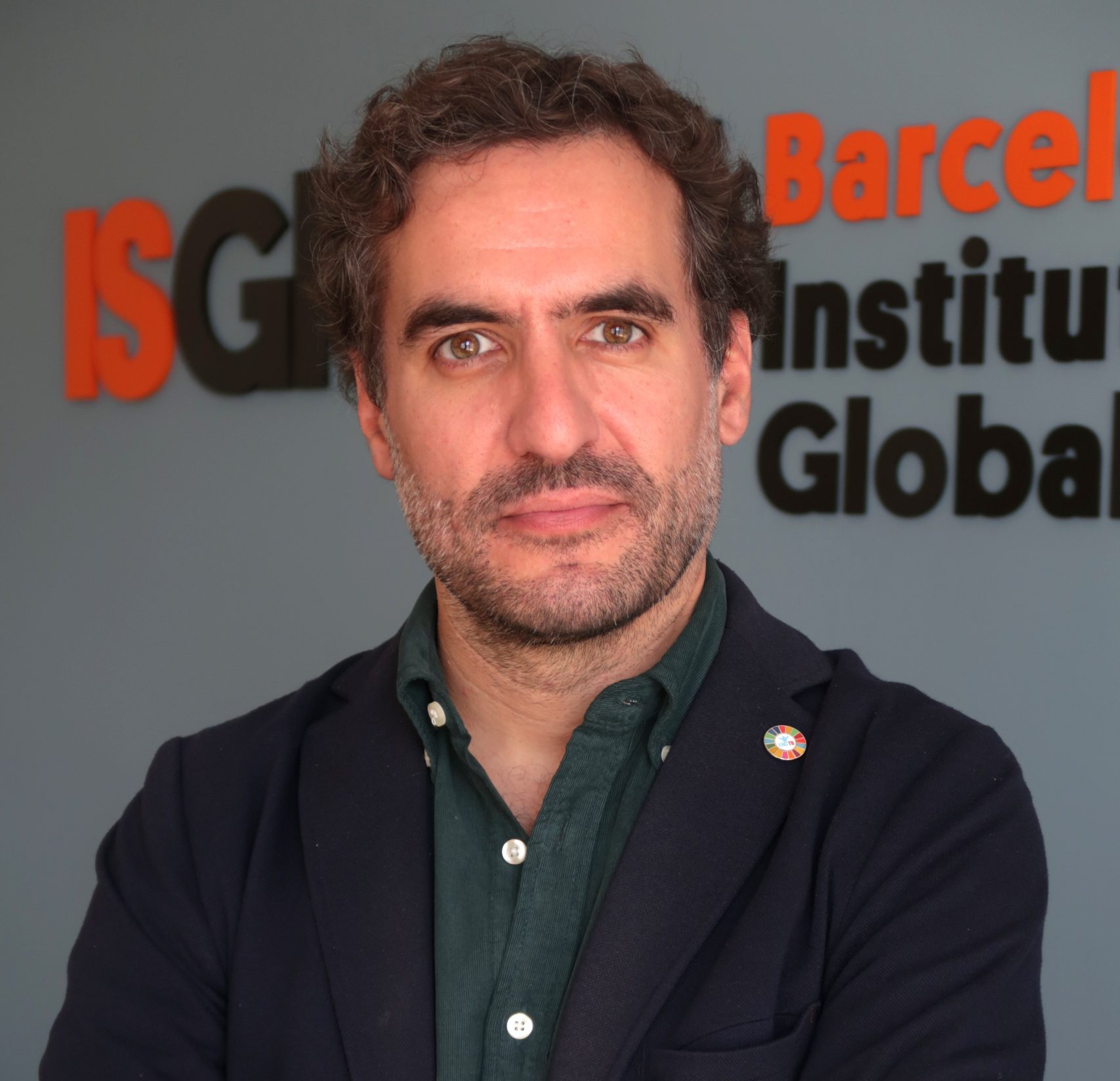
Alberto García-Basteiro is a Research Professor at the Barcelona Institute for Global Health (ISGlobal), a consultant physician in the Department of Preventive Medicine and Epidemiology at Hospital Clínic of Barcelona, and Coordinator of the Tuberculosis Research Area at the Manhiça Health Research Centre (CISM) in Mozambique. He holds a degree in Medicine from the University of Santiago de Compostela, completed his specialty training in Preventive Medicine and Public Health at Hospital Clínic of Barcelona (Emili Letang End-of-Residency Award), and obtained a Master’s in Epidemiology from the London School of Hygiene and Tropical Medicine (LSHTM), United Kingdom. He earned a joint doctoral degree through the Amsterdam Institute for Global Health and Development (University of Amsterdam, the Netherlands) and ISGlobal (University of Barcelona), within the EU-funded Transglobal Health Solutions programme.
Dr. Elena Marbán-Castro
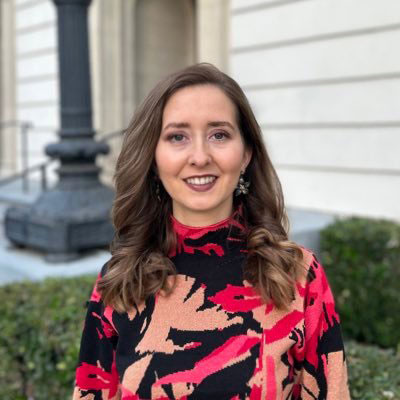
Dr. Elena Marbán Castro, Health Biologist, is a global health scientist with over a decade of experience in infectious and non-communicable diseases, vaccines, diagnostics, and maternal and child health. She holds a PhD in Translational Medicine from the University of Barcelona and the Barcelona Institute for Global Health (ISGlobal), where she investigated the clinical and social outcomes of women exposed to the Zika virus during pregnancy. At FIND, Elena has led and designed mixed-methods and qualitative research to inform the development and implementation of innovative diagnostic technologies. Her work spans Sub-Saharan Africa, South-East Asia, Eastern Europe, and South America, exploring end-user perspectives on multiplex self-testing, point-of-care diagnostics, and continuous glucose monitoring. She is Co-founder and Vice President of Women in Global Health Spain, Board Member of the La Caixa Fellowship Association, and Adjunct Professor of Global Health at the University of the Balearic Islands.
Dr. Maria Maixenchs
Dr. Maria Maixenchs has a BSc in Nursing from the University of Vic and a BSc in Social and Cultural Anthropology from the Universitat Autònoma de Barcelona (UAB). She has a MSc in Tropical Medicine and International Health from the University of Barcelona (UB), a MA on Culture of Peace (UAB) and a MSc in Clinical Research: International Health Track (UB). She obtained her PhD from the Faculty of Medicine of the UB in 2020, with a thesis on the acceptability and feasibility of the minimally invasive autopsy tool for cause of death investigation in low- and middle-income countries.
She worked for Médecins Sans Frontières in Kenya, Angola and Darfur from 1999 to 2004. Thereafter she was a researcher at the School for a Culture of Peace (UAB). In 2006 she joined the Barcelona Institute for Global Health (ISGlobal) and has been working in social sciences research since then. Her current interest is on issues related to acceptability and feasibility of new methods for cause of death determination; biomarkers rapid triage tests to assess severity of fever in children U5; and diagnostic tools using integrated AI.
Dr. Quique Bassat
Dr. Quique Bassat is the Director General of the Barcelona Institute for Global Health (ISGlobal) since January 2024, where he leads a multidisciplinary team of over 600 professionals dedicated to advancing global health and health equity. He is also an ICREA Research Professor and former Head of the Malaria and Neglected Parasitic Diseases Programme at ISGlobal. A pediatrician specialized in infectious disease epidemiology and public health, his current research focuses on identifying early biological markers of severe disease to enable timely detection and targeted management of critically ill children, integrating innovative and affordable diagnostic technologies adapted to low-income settings. His work includes the development and validation of minimally invasive autopsy (MIA) tools for accurate cause-of-death determination, as well as the evaluation of novel, low-cost devices such as portable ultrasound and smartphone-based diagnostics to improve child survival and equity in global health. Author of more than 475 peer-reviewed publications, he has received numerous awards for scientific excellence.